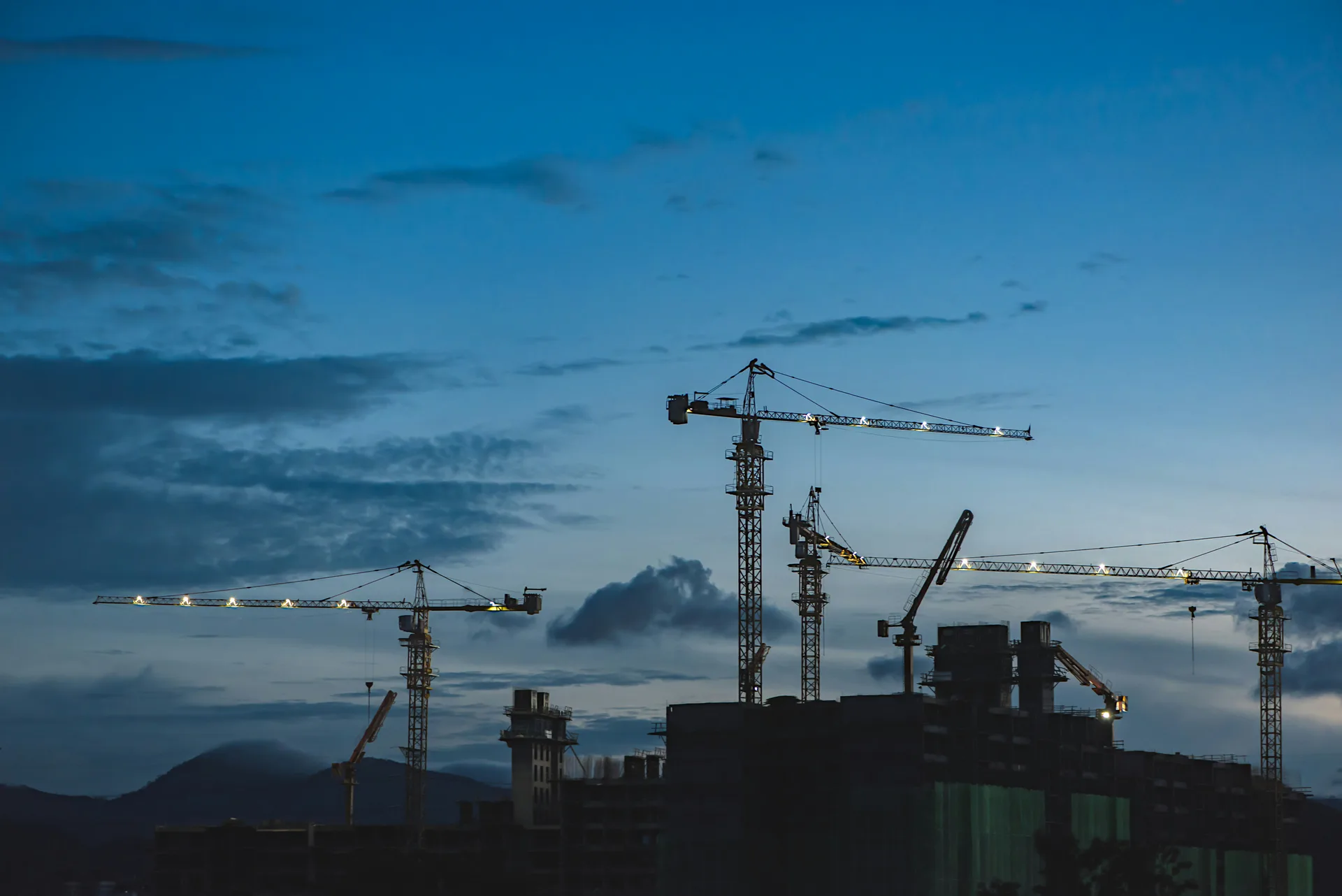
Construction is one of the highest‑risk industries, where multiple contractors share worksites and safety requirements are stringent. Gurufield provides every site and stakeholder with a shared way of reporting, investigating, and learning from safety‑related events across projects.
The emphasis is on speed and clarity: anyone can report directly from the field, responsibilities are routed automatically, and managers see real‑time status without relying on emails or spreadsheets. By making participation easy and follow‑up structured, Gurufield helps turn daily site‑level signals into actionable improvements.

Observations, positive observations, toolbox talks, safety walks, good practices, improvement proposals, and occupational accidents are all reported and managed within the same process and language, covering everything from proactive ideas to incident investigations.
Cases can be created using mobile devices (also when offline), QR codes, or the web application, ensuring reporting works wherever the work takes place. Multi‑language support allows site personnel to report in their native language, improving accessibility and participation across diverse teams.
Last‑minute risk assessments, machine and equipment checks, hot‑work monitoring, contractor audits, and management safety audits are conducted directly in the system, with findings linked to corrective actions for systematic follow‑up.
Inspection and audit templates are standardized across projects while remaining configurable, enabling project‑specific checkpoints without losing comparability. Instruction cards can be attached directly to individual inspection items, providing clear, practical guidance to support consistent execution, both for experienced inspectors and those new to the task.
Weekly toolbox talks can be scheduled and documented, turning discussions into trackable actions and shared learning across the organization.
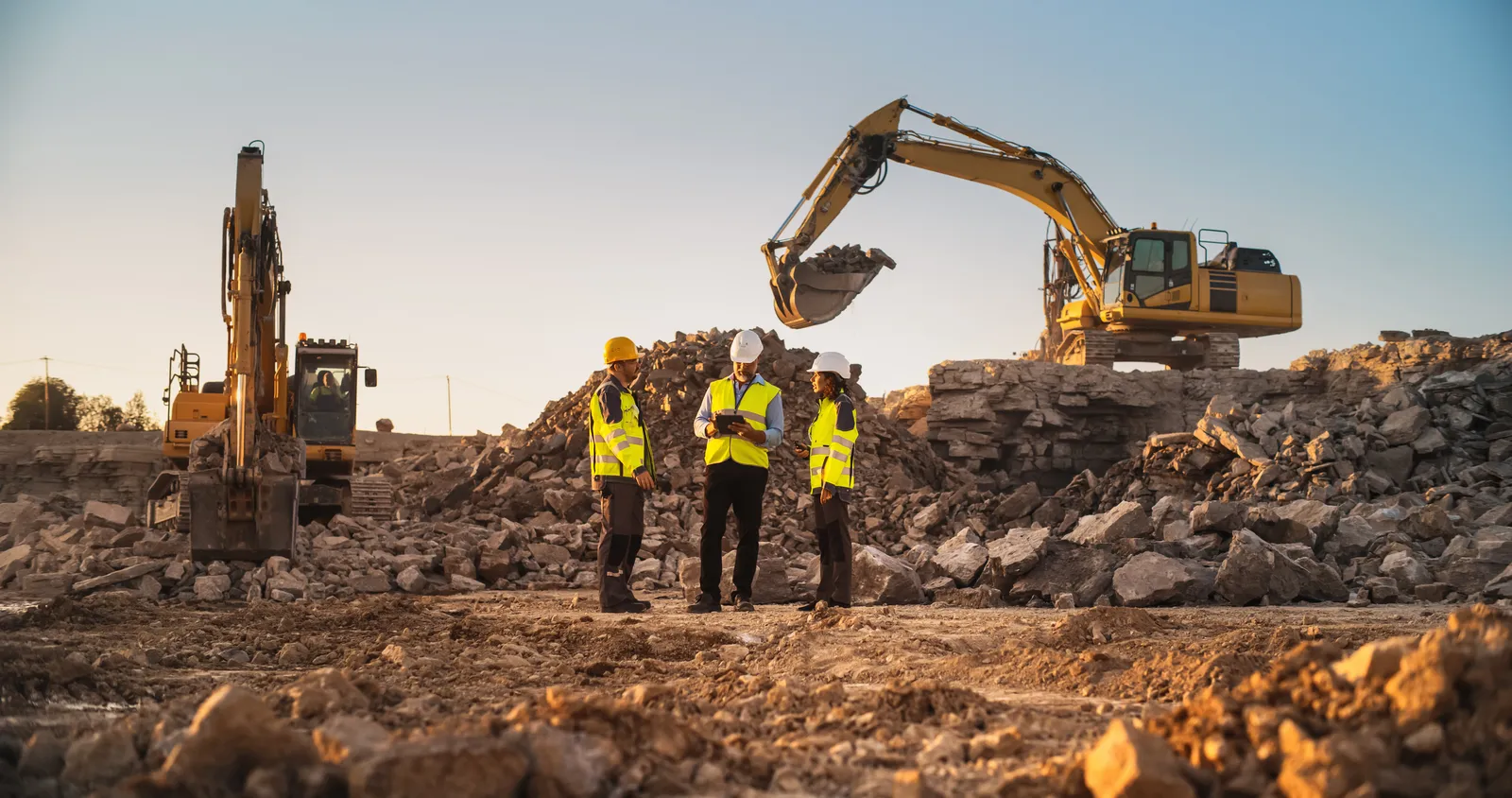
Near misses and accidents are investigated without delay. Root causes are identified, corrective actions are implemented, and cases are closed only once follow‑up is complete. Identified root causes are stored in a centralized root cause library, creating structured, comparable data across projects, business units, and the wider organization.
This makes it possible to identify recurring risk factors, such as gaps in documentation, training, or work methods, and to target improvement actions where they have the greatest impact. Lessons learned are shared through safety bulletins, ensuring knowledge extends beyond individual projects.
Employees and contractors operate on the same platform with clear roles and responsibilities, improving transparency, accountability, and trust. Over time, this supports a shift from reactive case handling toward proactive observation, risk identification, and prevention.